The number of employers offering a Roth 401(k) option is on the rise. In fact, a report from The Plan Sponsor Council of America suggests that 89 percent of 401(k) plans offer Roth contributions. Although the Roth 401(k) (first introduced in 2006) has been around for less time than its cousin, the Roth IRA (introduced 1997), it is encouraging to see more companies offer this important option. The question becomes – should a Roth 401(k) be the cornerstone of your retirement savings plan?
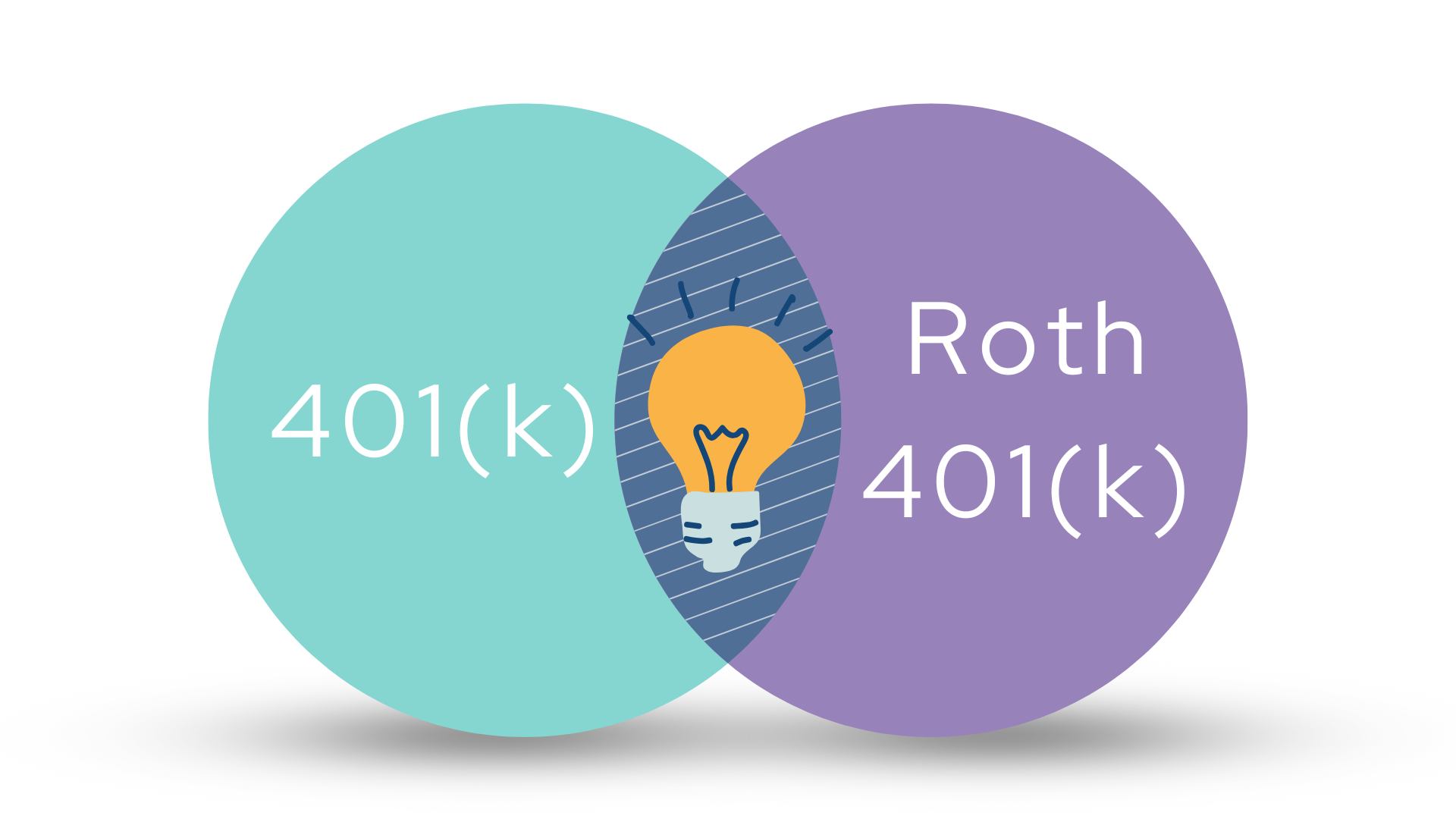
There are a few important factors to consider when determining whether you should take advantage of a Roth 401(k). First, let’s begin with the basics. Like a Roth IRA, Roth 401(k) contributions are made with after-tax dollars, so you do not receive an upfront tax deduction. Roth 401(k) earnings can be taken out tax-free after you reach age 59½ and you have held the account for five years. The tax benefits associated with a Roth 401(k) grow exponentially over time as earnings compound. While there are some similarities between the Roth 401(k) and the Roth IRA, there are a few important differences to be aware of.
No income restrictions
Roth 401(k) contribution limits follow traditional 401(k) limits — $23,500 for 2025 or $30,500 for those taking advantage of the catch-up provision available for savers over age 50. For those aged 60-63, SECURE Act 2.0 introduced an enhanced catch-up contribution bringing the total to $34,750 in 2025. This is much greater than the Roth IRA contribution limit of $7,000 or $8,000, including the catch-up contribution. In addition, the Roth 401(k) has no income limit. That's right – Roth 401(k) eligibility does not phase out like the Roth IRA can.
In addition, thanks to SECURE Act 2.0, Roth 401(k) accounts are no longer subject to required minimum distributions (RMDs) during the account holder's lifetime, bringing them in line with the Roth IRA in this regard.
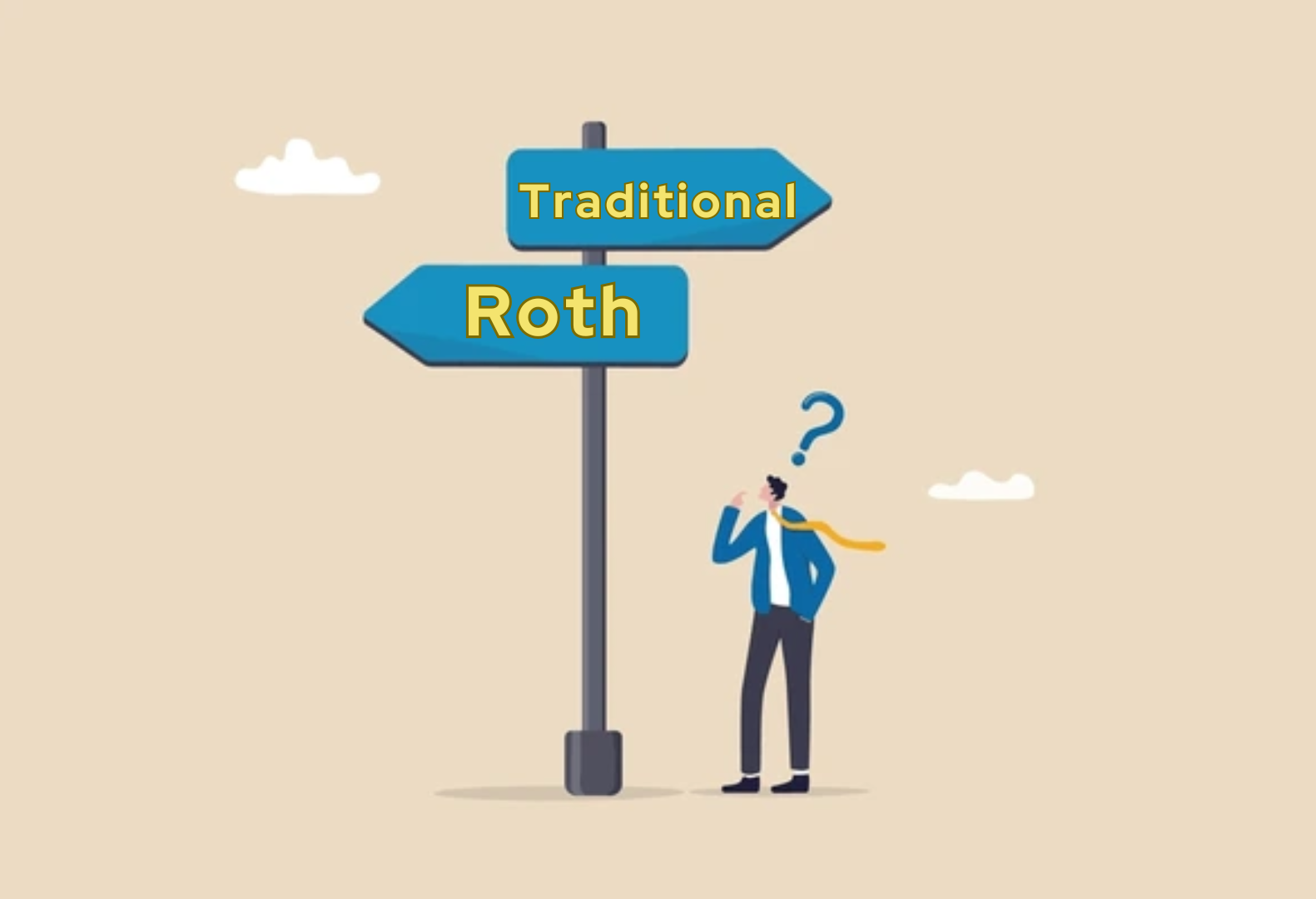 ROTH 401(k) vs. TRADITIONAL 401(k)
Deciding between a traditional 401(k) and a Roth 401(k) is no easy task. Since choosing the Roth 401(k) means giving up the immediate tax deduction and less take-home pay in exchange for tax-free distributions during retirement, many savers have trouble determining if it is worthwhile. Roth 401(k) calculators that consider your income, deferral rate, preretirement growth rate, postretirement growth rate, and retirement duration can help you determine which option may result in a larger after-tax retirement nest egg. Consider speaking to your adviser or visiting sites like www.bankrate.com to access an online 401(k) and Roth contribution calculator.
Generally, the Roth 401(k) is most advantageous for savers who expect to be in the same or higher tax bracket during retirement. Millennial workers in the early stages of their careers who expect to earn more in the future may be a good fit for a Roth 401(k). Other savers in tax brackets too low to benefit from pre-tax deductions may also be a great fit. In contrast, savers expecting to be in the same or lower tax bracket at retirement may benefit more from pre-tax contributions in a traditional 401(k). While no one is sure where tax rates are heading, pressure from budget deficits could lead to tax changes in the distant future, so it is important to keep an eye on tax reform.
Diversify the tax treatment of future withdrawals
Not only can diversifying your portfolio's holdings be beneficial, but it may also be helpful to diversify the tax treatment of your investments now and when you begin taking withdrawals in the future. Tax diversification can allow savers to be strategic when taking future distributions, depending on tax rates and their income needs.
In addition, saving within a Roth 401(k) does not prevent you from using the traditional 401(k) within the same plan. In fact, if you stay within the maximum contribution guidelines, you could split your funds between each type of 401(k) and hedge your bets on where your future tax rate may be. Keep in mind that if your employer offers a match, it will be with pretax dollars in a traditional 401(k), so you may end up with a traditional 401(k) and a Roth 401(k) regardless.
 While the Roth 401(k) option is not for everyone, it is another tool that may help some savers leverage the tax-free growth offered to make the most of their retirement funds in the future. It is also important to remember that the tool best suited for your retirement plan may change over the life-cycle of your career, and it may be necessary to change between traditional and Roth 401(k) contributions. Also, remember that tax laws are always subject to change, impacting both the eligibility of contributions and future tax-free withdrawals. Since everyone’s situation is unique, speak to your financial and tax advisers to determine if the Roth 401(k) should be part of your overall retirement plan.
Kurt J. Rossi, MBA, CFP®, AIF® is a CERTIFIED FINANCIAL PLANNERtm & Wealth Advisor. He can be reached for questions at 732-280-7550, kurt.rossi@Independentwm.com,www.bringyourfinancestolife.com & www.Independentwm.com. LPL Financial Member FINRA/SIPC.
All investing involves risk including loss of principal. No strategy assures success or protects against loss. There is no guarantee that a diversified portfolio will enhance overall returns or outperform a non-diversified portfolio. Diversification does not protect against market risk.
A Roth IRA offers tax deferral on any earnings in the account. Qualified withdrawals of earnings from the account are tax-free. Withdrawals of earnings prior to age 59 ½ or prior to the account being opened for 5 years, whichever is later, may result in a 10% IRS penalty tax. Limitations and restrictions may apply.
Contributions to a traditional IRA may be tax deductible in the contribution year, with current income tax due at withdrawal. Withdrawals prior to age 59 ½ may result in a 10% IRS penalty tax in addition to current income tax.
Content in this material is for general information only and not intended to provide specific advice or recommendations for any individual.